Is Skydiving a Sport?
Skydiving

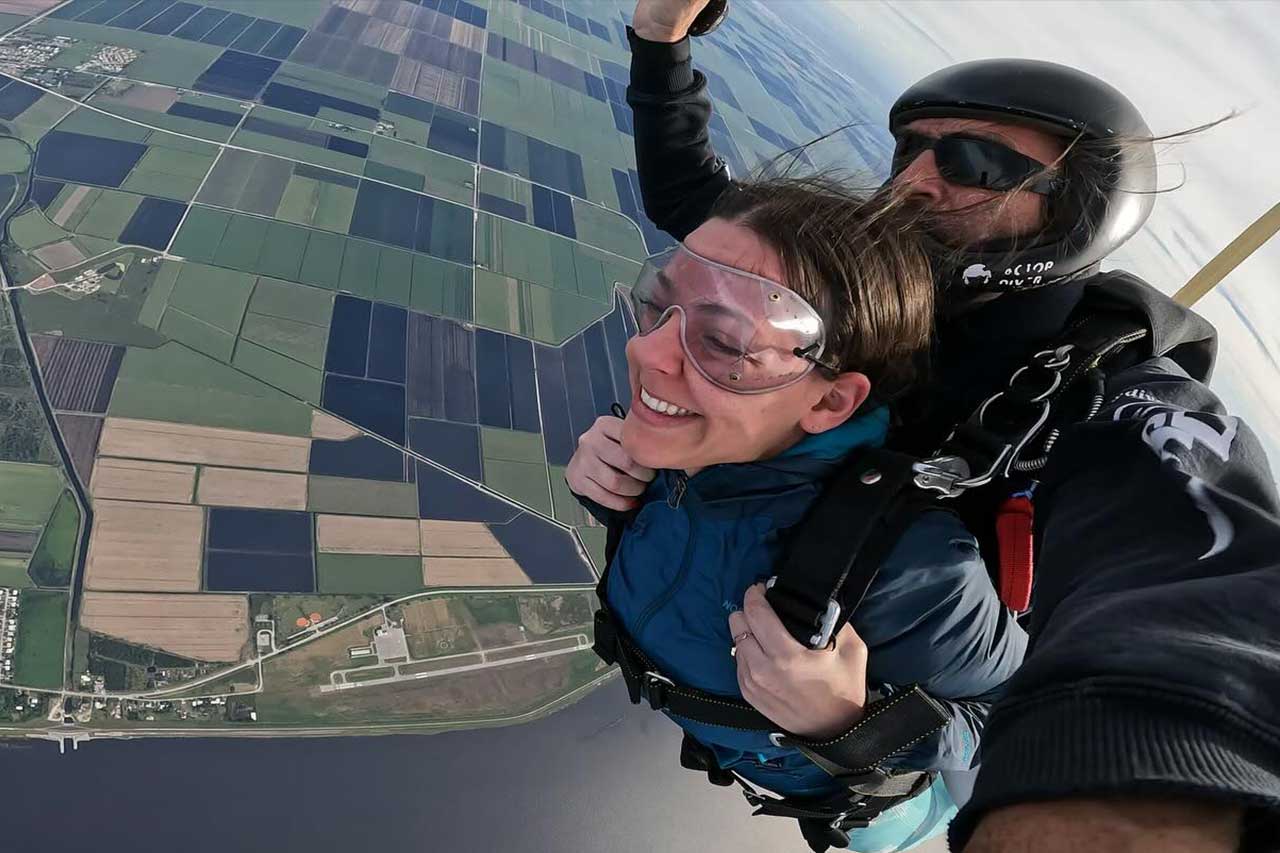
Skydiving has surged in popularity over the years, making appearances in blockbuster movies like “Mission Impossible: Fallout” and “License to Kill” (filmed at our sister dropzone, Skydive Key West). While many are familiar with tandem skydiving – where you’re strapped to an instructor – few realize that skydiving is a full-fledged sport consisting of skydiving competitions on a national and world level! There was even a time when skydiving was part of the X Games.
What Type of Sport is Skydiving?
Contrary to how the instructors and professionals make it look, skydiving isn’t easy. Skydiving demands physical prowess, precise skills, structured training (not limited to only skydiving training), and mental discipline. It fits within the definition of a sport through its competitive elements, regulatory standards, and community culture.
Skydiving requires significant physical effort and coordination, as jumpers must maintain body control during freefall, deploy and steer the parachute, and execute safe landings. Mastering these specific skydiving techniques and skills requires extensive training. The multitude of talent and mental fortitude among the athletes in this niche sport is beyond impressive.
When Did Skydiving Become a Sport?
While skydiving has its roots in earlier times, the first known parachute competition took place in 1930, bringing it into the international sports spotlight. So, exactly what type of sport is skydiving? Is skydiving an extreme sport? Yes, skydiving is defined as an extreme sport as it involves elements of risk. Moreover, skydiving encompasses various disciplines and competitive skydiving formats, making it a versatile and dynamic sport in the extreme sports category.
Skydiving Disciplines
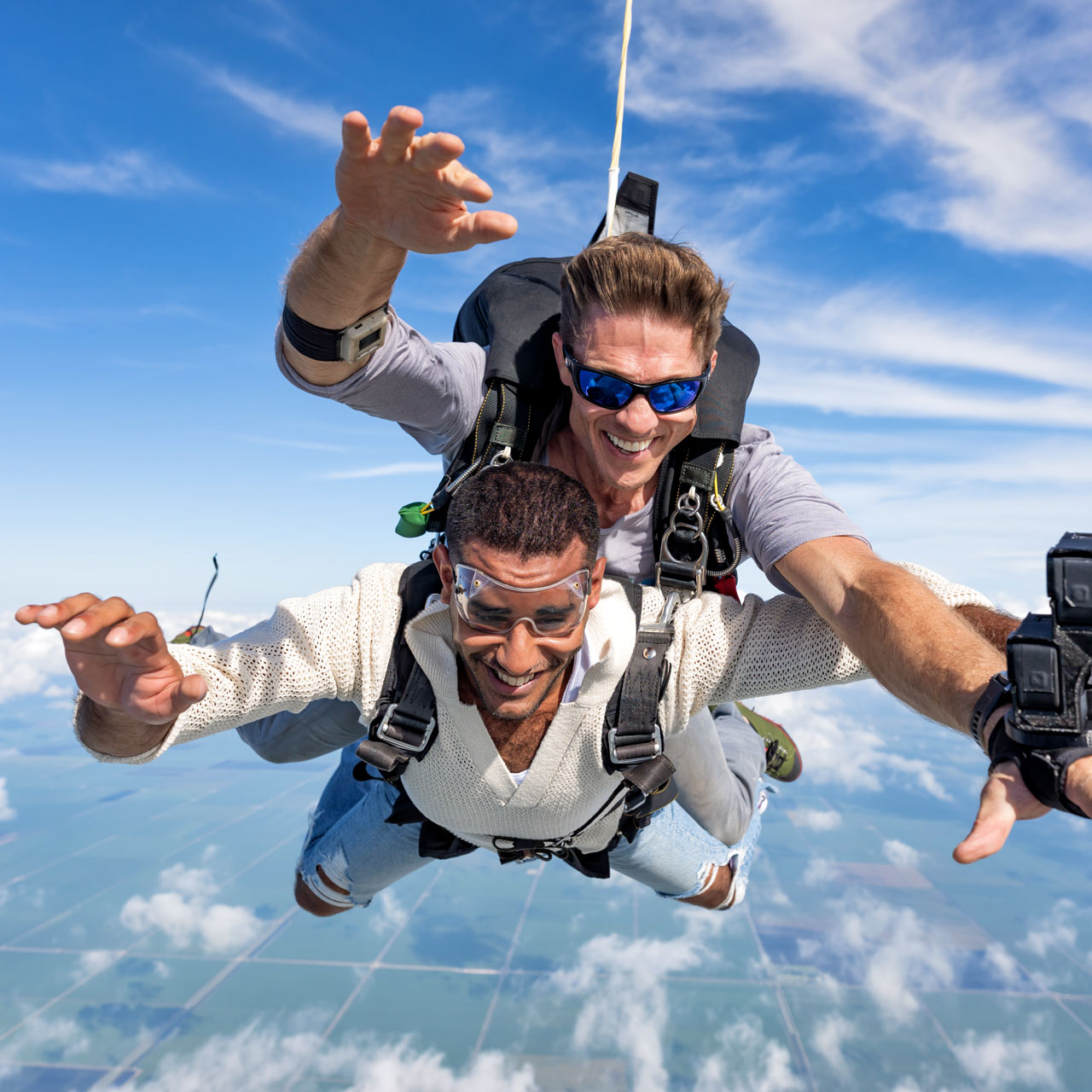
Skydiving encompasses various disciplines, or types of skydiving, each requiring different techniques and skills. A few examples include:
- Formation Skydiving (FS)
In FS, participants fly in a belly-to-earth orientation, navigating the sky alongside teammates to execute predetermined formations or sequences. This discipline requires seamless coordination, precise movements, and teamwork.
- Freefly
Freeflyers navigate the airspace in a vertical or inverted orientation, hurtling through the sky at speeds much faster than many of their counterparts. Whether head up, head down, or on their back, freeflyers push their skydiving skills and the very boundaries of human flight with gravity-defying maneuvers.
- Freestyle
Freestyle skydiving transcends mere athleticism, evolving into an art form where participants express themselves through choreographed routines. One’s creativity can really shine in this discipline.
- Canopy Piloting
Canopy pilots master the art of flight, maneuvering their parachutes with exceptional precision and finesse. Some engage in Canopy Relative Work (CRW), soaring gracefully alongside fellow skydivers to create intricate formations in the sky. Others focus on high-speed swoops and dynamic turns, showcasing their agility and control during landing. Canopy pilots push the boundaries of what is possible under a parachute.
- Wingsuiting
Wingsuiters embody the epitome of human flight as they don specialized suits, resembling the wings of a bird or a flying squirrel, and soar through the air with unparalleled freedom and grace.
And yet, these disciplines merely scratch the surface of the rich tapestry that is skydiving. Beyond the thrill of individual pursuit, skydiving also encompasses a thriving professional environment, where enthusiasts evolve into seasoned professionals. From Tandem Instructors and Accelerated Freefall Instructors to videographers, the career side of skydiving offers a diverse array of opportunities for instructors to share their passion with others, like you!
Skydiving Competitions
Competitions in skydiving occur at both national and world levels, organized by bodies like the United States Parachute Association (USPA) and the Fédération Aéronautique Internationale (FAI). These competitions showcase the talents of elite skydivers from around the globe, pushing the boundaries of the sport and setting new records.
Skydiving competitions may employ live judging or video judging methods. Scores are typically awarded based on predetermined criteria for each discipline, with judges considering factors such as technical difficulty, execution, style, and overall presentation.
For example, in FS and Freefly skydiving, teams of skydivers aim to complete as many predetermined formations as possible within a set time frame. The team with the most points wins.
In freestyle skydiving, the competitor and their camera person perform a choreographed routine and scores are based on complexity, execution, and arctic impression. Accuracy landing competitions involve skydivers trying to land as close as possible to a target, with points awarded based on landing precision. There are also indoor skydiving competitions!
Skydiving Safety
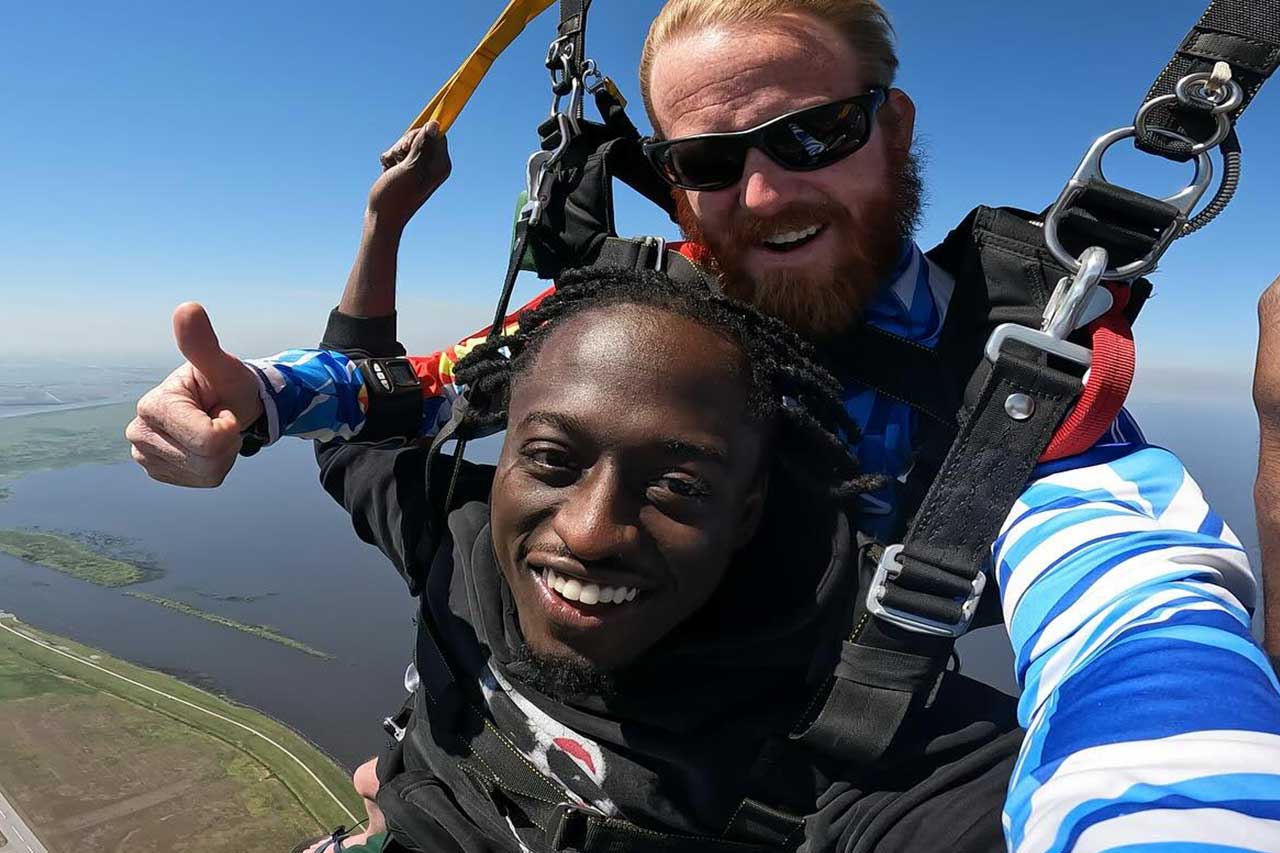
Skydiving is regulated by organizations like the USPA and the Federal Aviation Administration (FAA), ensuring safety compliance, standardization, and the promotion of the sport. These regulatory bodies work together to create a structured environment for skydiving by setting comprehensive standards for training, safety, and equipment maintenance.
At Skydive Palm Beach, we follow all USPA guidelines, and our instructors are all USPA certified. We take safety seriously.
Skydiving Community
One of the biggest draws to our sport is our community, which is inclusive, supportive, and filled with ambitious individuals from all walks of life. While some may perceive skydivers as adrenaline junkies, the reality is the community is diverse, with individuals sharing a common passion and enjoying the camaraderie that comes with it. Many come for the jump, but most stay for the community. And we must say, we sure do love our Skydive Palm Beach community.
Let’s Jump!
Whether you aspire to compete at the highest level or simply want to experience the thrill of freefall, skydiving offers an exhilarating journey. Whatever you decide, we’re here and ready to jump with you and introduce you to this amazing sport. Book your tandem skydive with us today! Have questions? Contact us directly or check out our FAQs for more information.